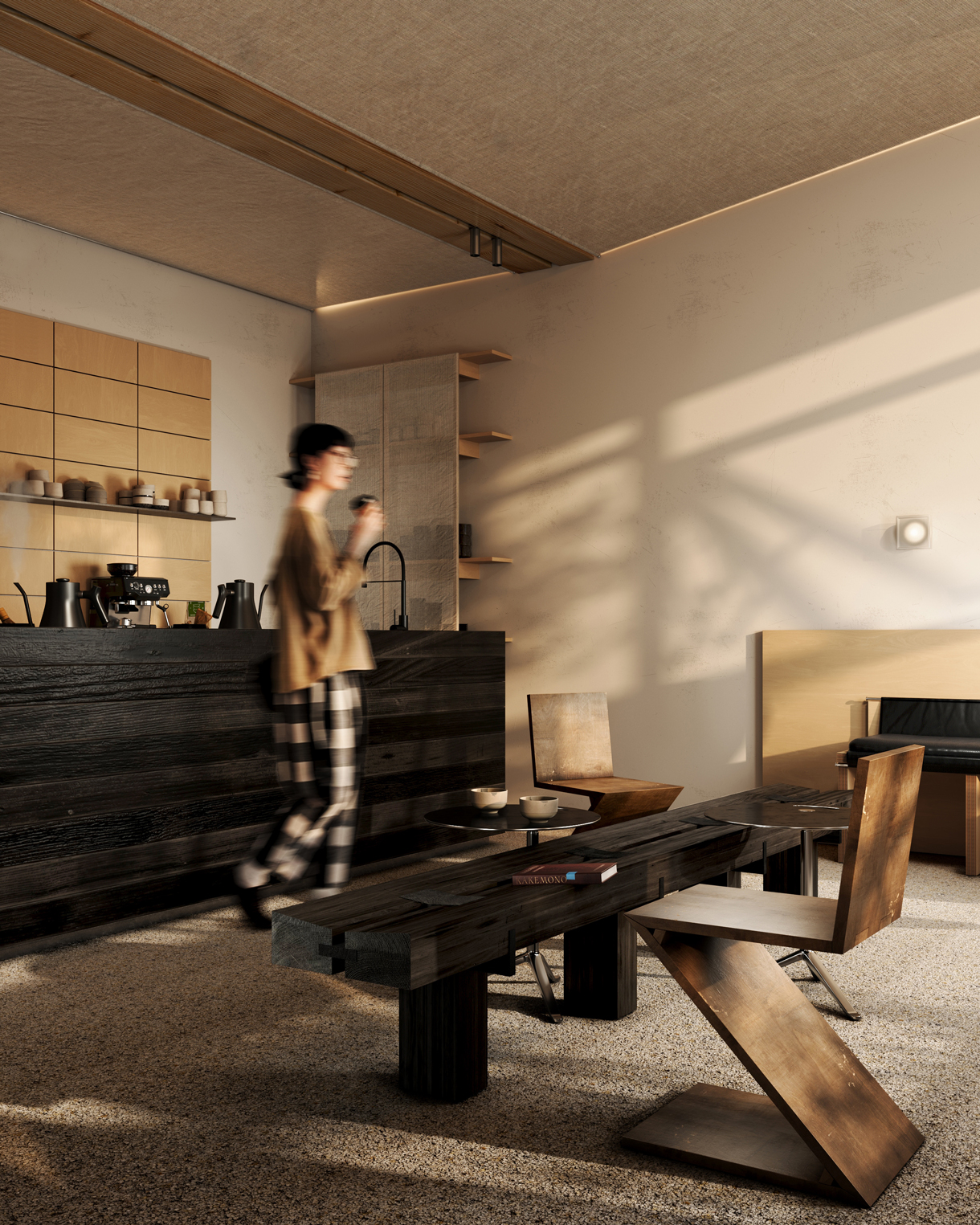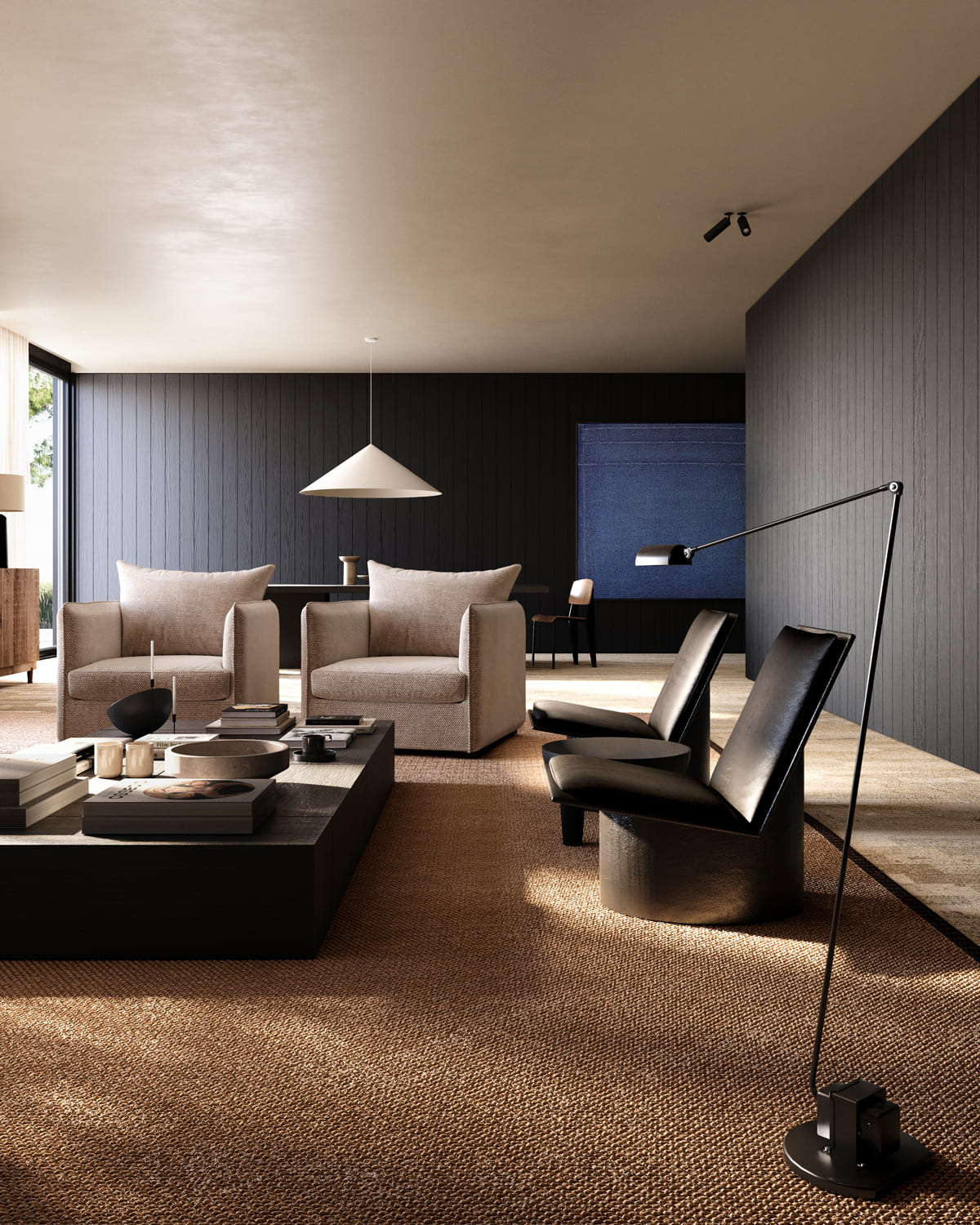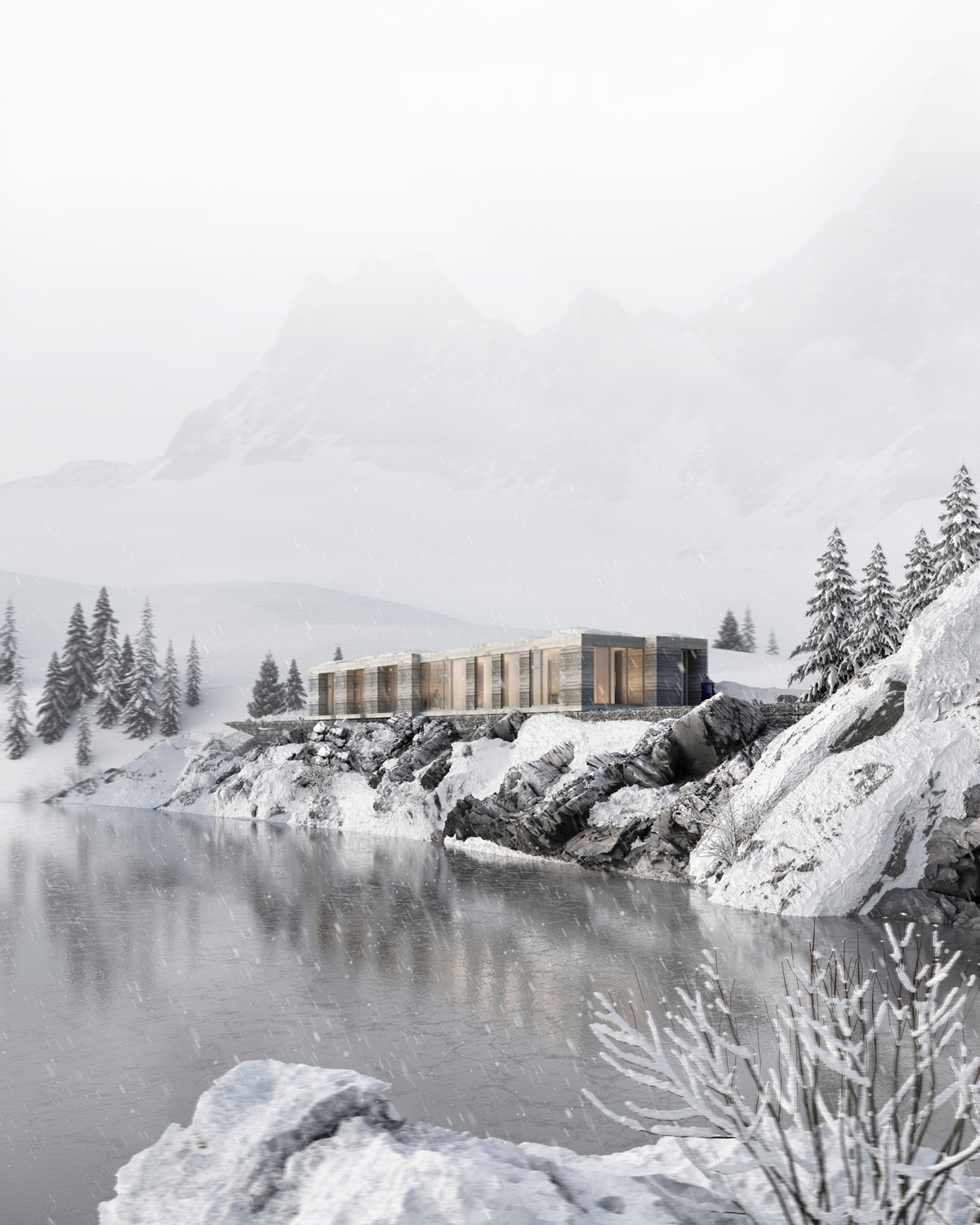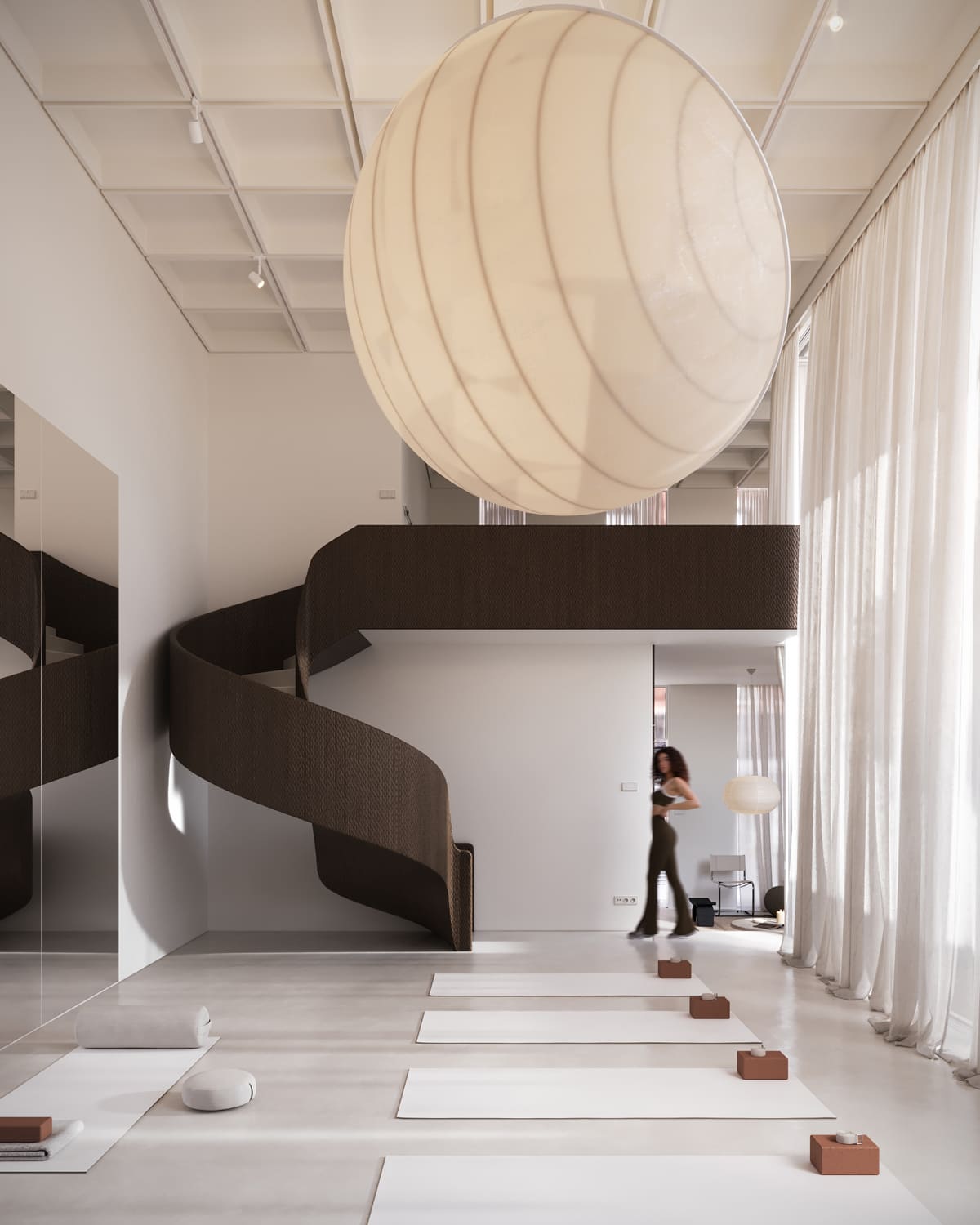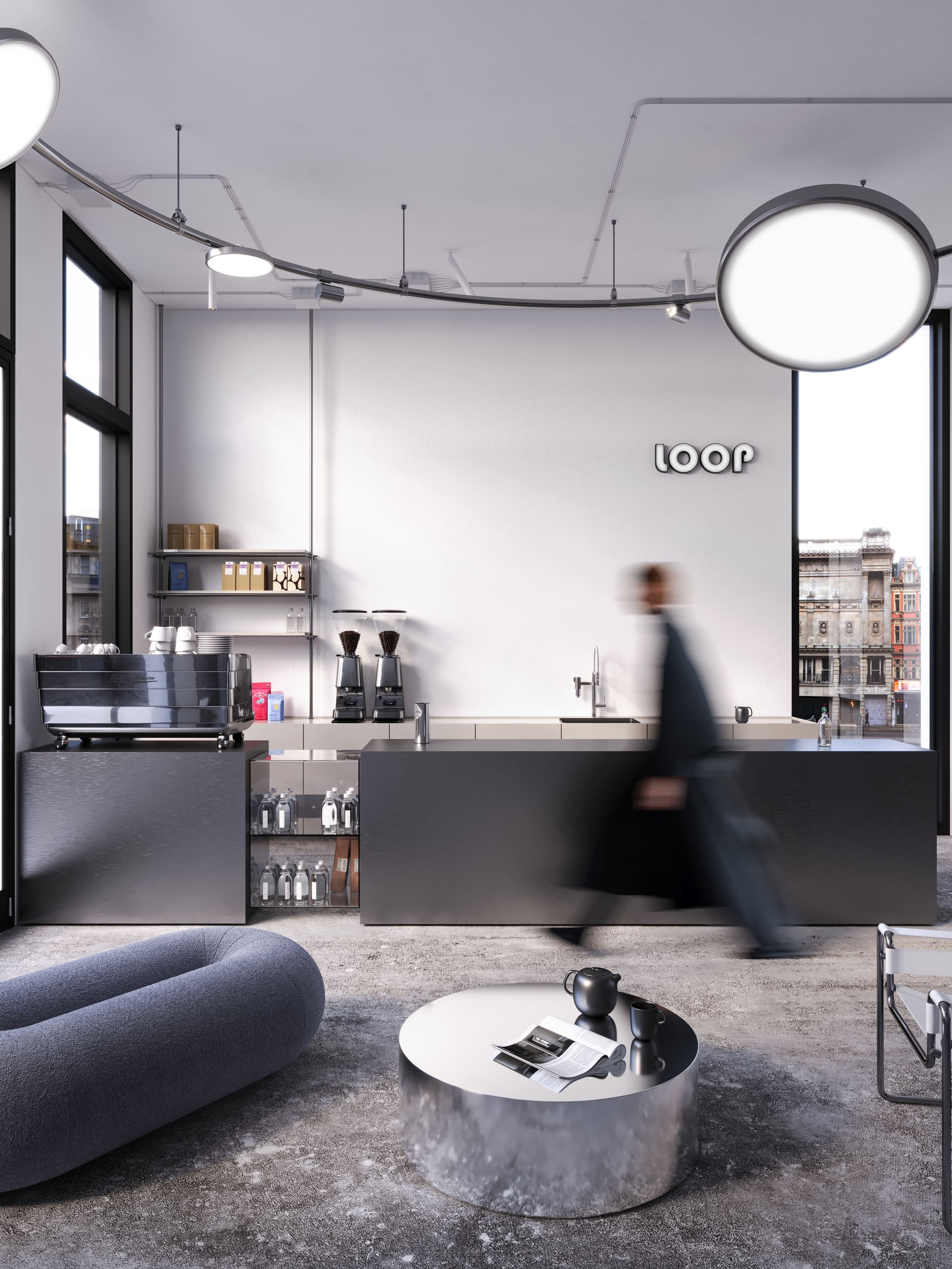
Some interiors are designed to look current. Others are designed to remain relevant.
At first, the difference is subtle. What makes an interior feel contemporary today can quickly become the very thing that dates it tomorrow. A trend becomes a problem when an interior is designed around recognition rather than around the way someone actually lives.
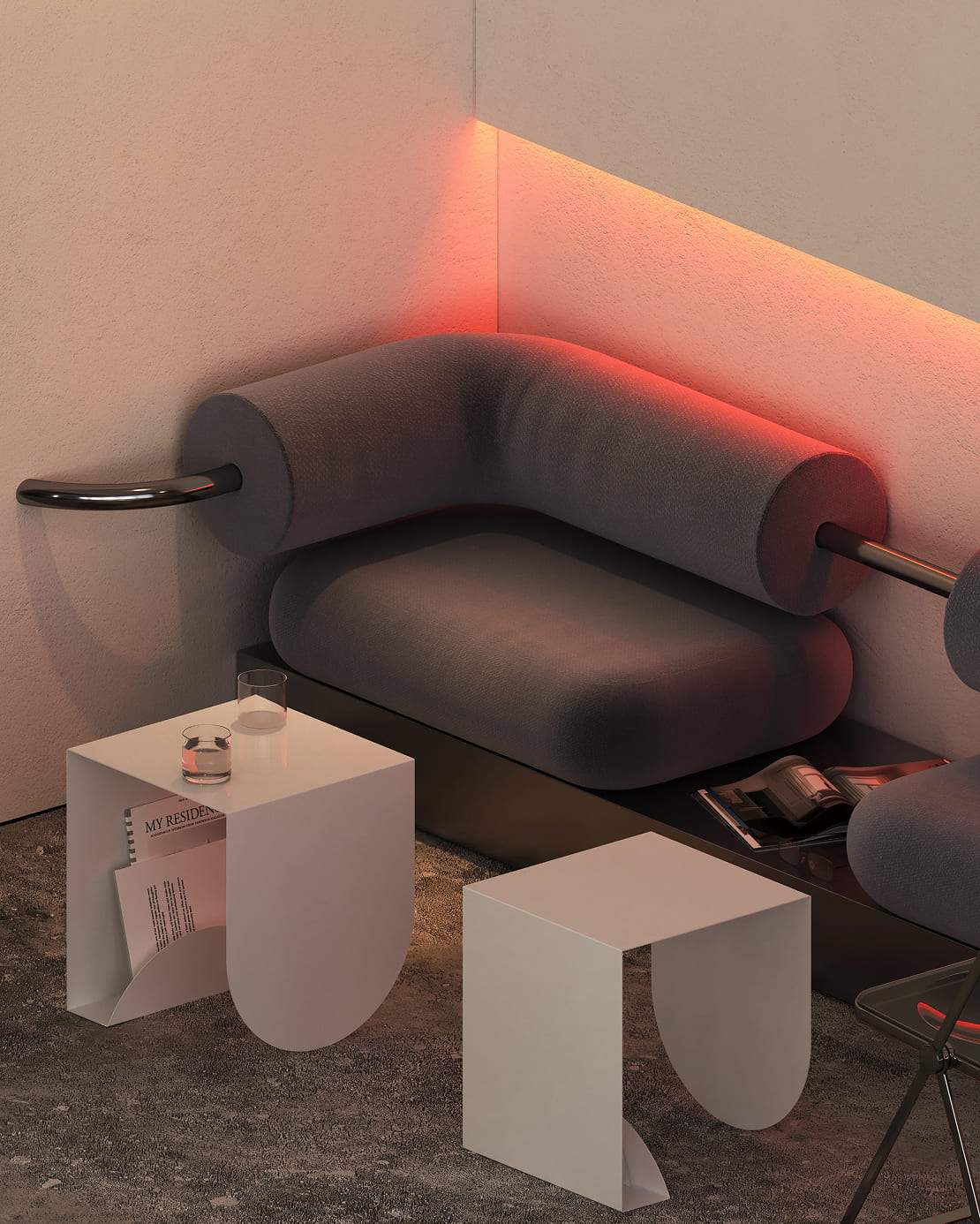
There is a difference between being inspired by a trend and allowing it to define an entire space. One approach asks how a certain idea might work within an interior, and how it will feel ten or twenty years from now. The other allows the trend to become the identity of the interior itself. In recent years, more and more spaces have started to look remarkably alike. The same colours, materials and shapes appear again and again. There is nothing inherently wrong with a curved bouclé sofa, a microcement wall or fluted timber. Each can be beautiful in its own right. The problem begins when these elements become a formula for what a “contemporary interior” is supposed to look like.
And when lack of individuality becomes a trend, the problem becomes even greater. Now more than ever, we need to take back our individuality, uniqueness, personality and bold ideas deserve their place again in interior design. We believe timelessness is not boring. In fact, it may be one of the boldest things you can do.
To imagine a space that looks and feels good today, but is still capable of feeling right years from now. To create a home that doesn't need to be redesigned every few years to remain relevant. In a world that changes faster than ever, perhaps one of the most meaningful things we can create is something that doesn't need to.
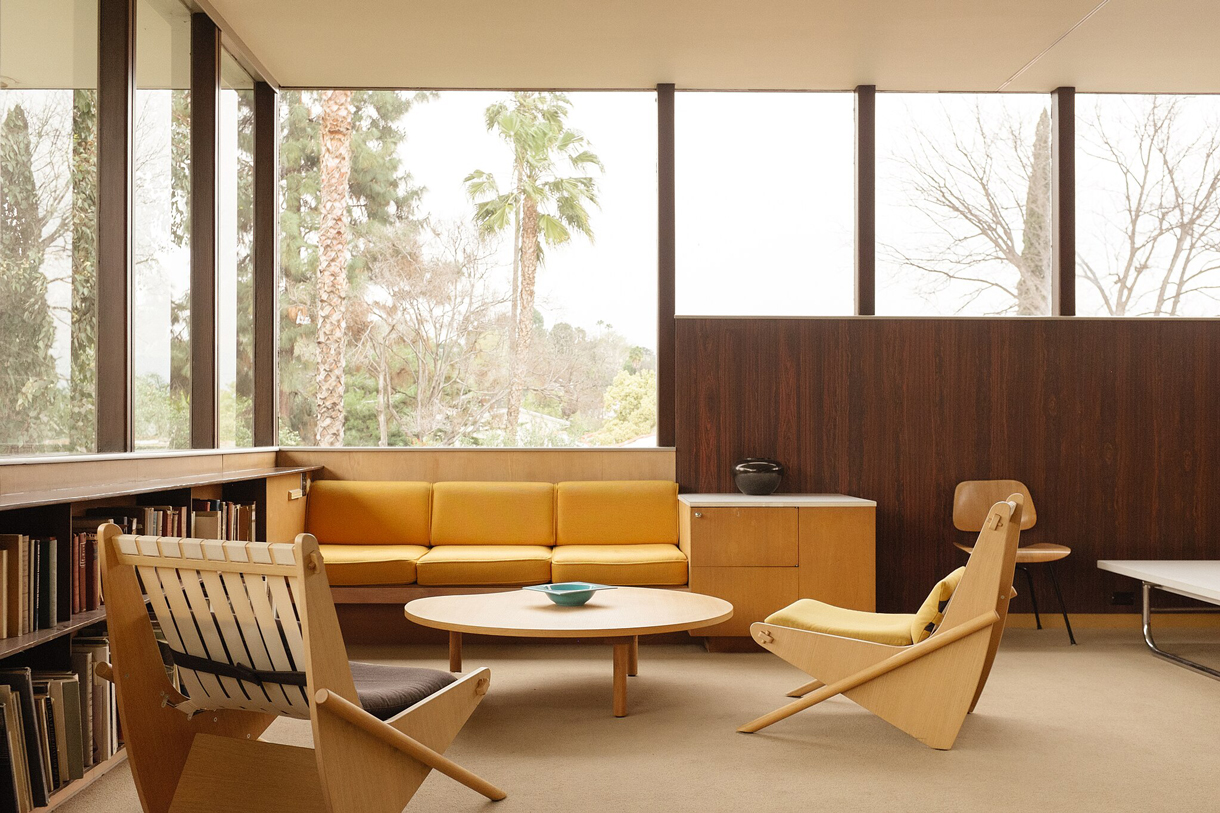
What actually makes an interior last?
Look at architecture and interiors created centuries ago that we still admire today. Their relevance rarely comes from following a particular aesthetic trend. It comes from principles that have remained meaningful across generations.
Proportion
There is something timeless about a space that simply feels right. The relationship between height, width, volume, openings and furniture creates a kind of mathematical beauty that we instinctively understand.
Good proportion doesn't belong to a particular era. It is one of the foundations of architecture, and it continues to work because it is rooted in how we perceive space.
Natural materials
Stone. Wood. Clay. Rammed earth. Linen.
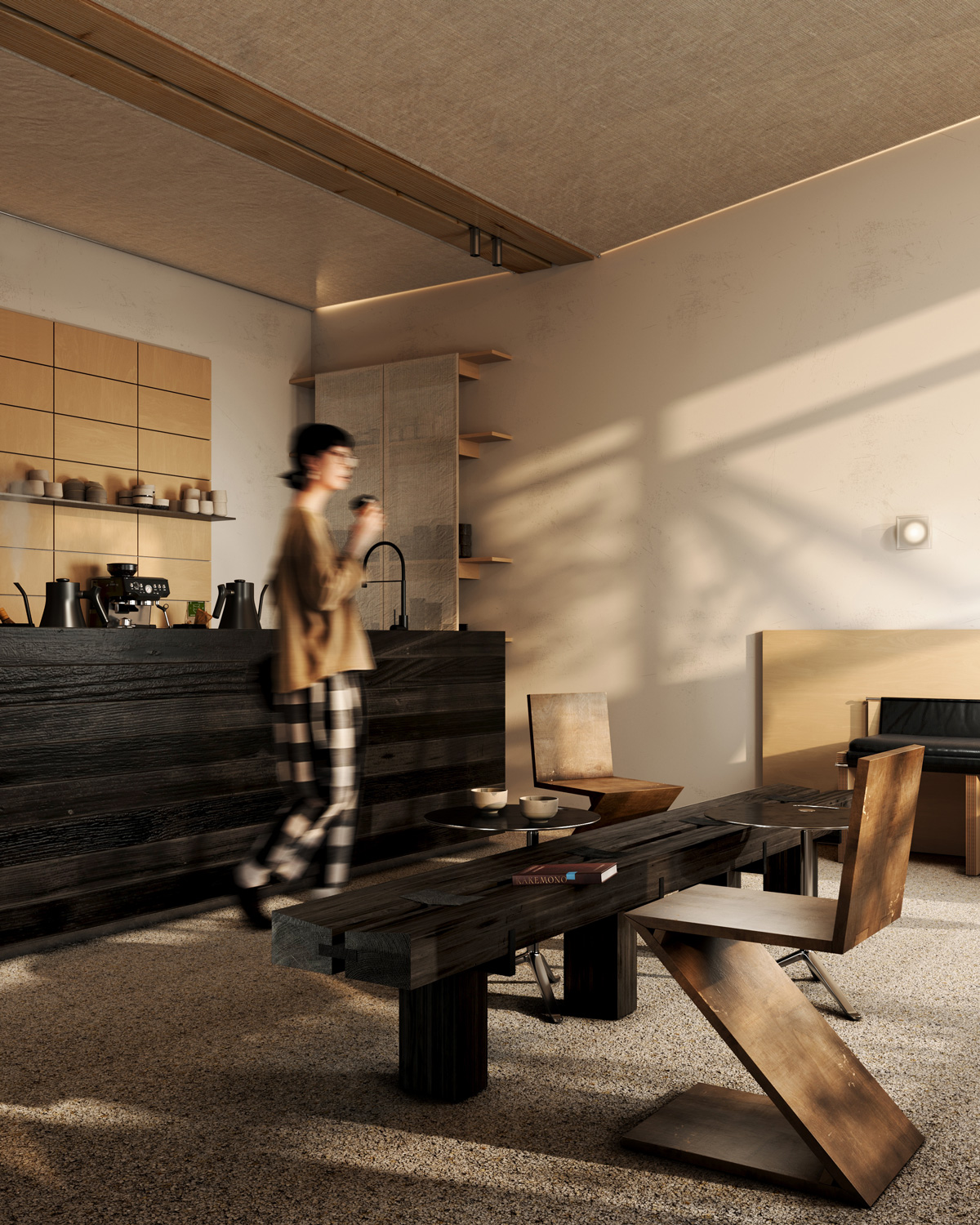
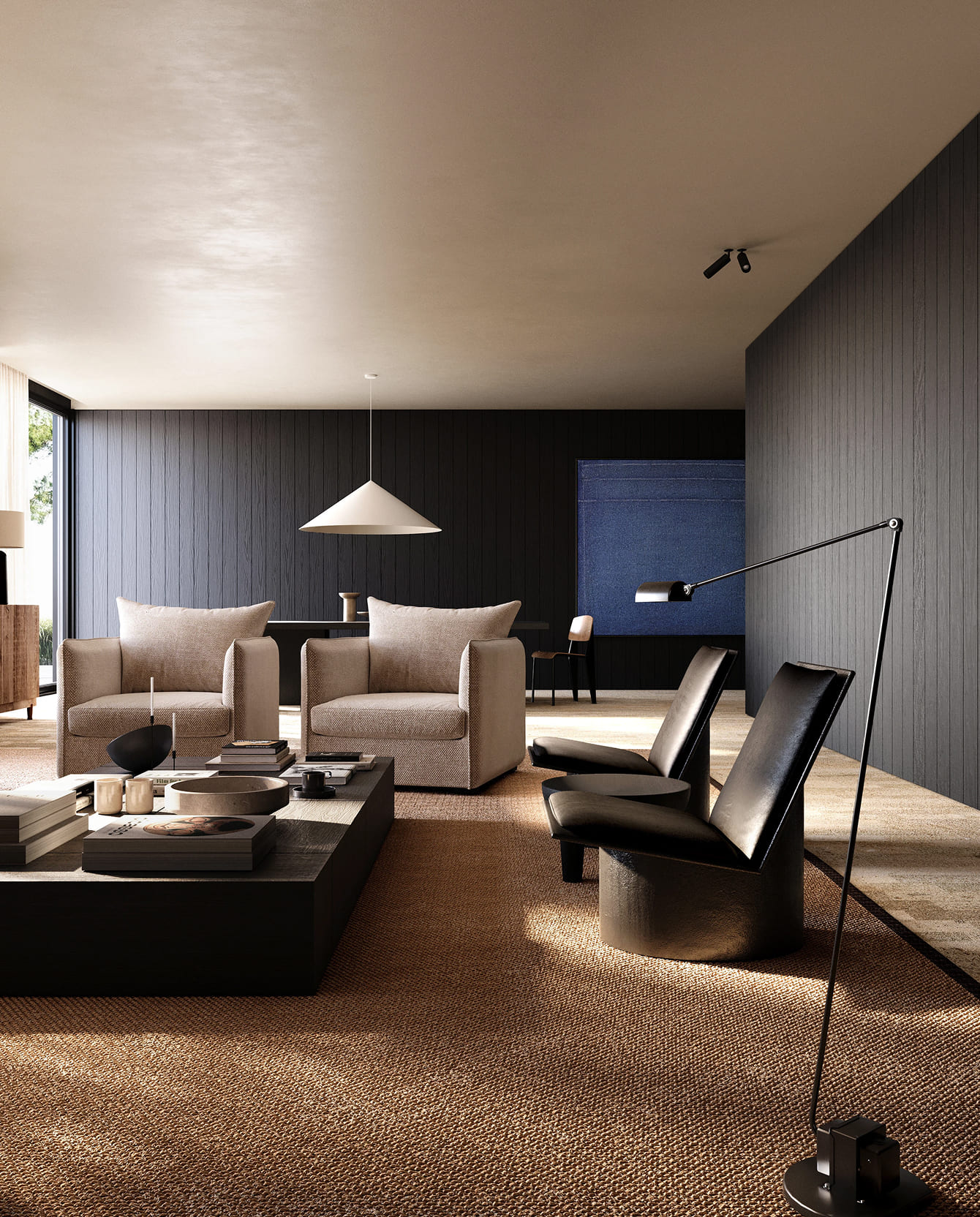
Natural materials have been part of our built environment for centuries, and they continue to feel relevant because they are not tied to a particular moment. They have texture, depth and variation. More importantly, they age. Scratches, changes in colour, imperfections and traces of use can become part of their character rather than something that needs to be hidden.
Light
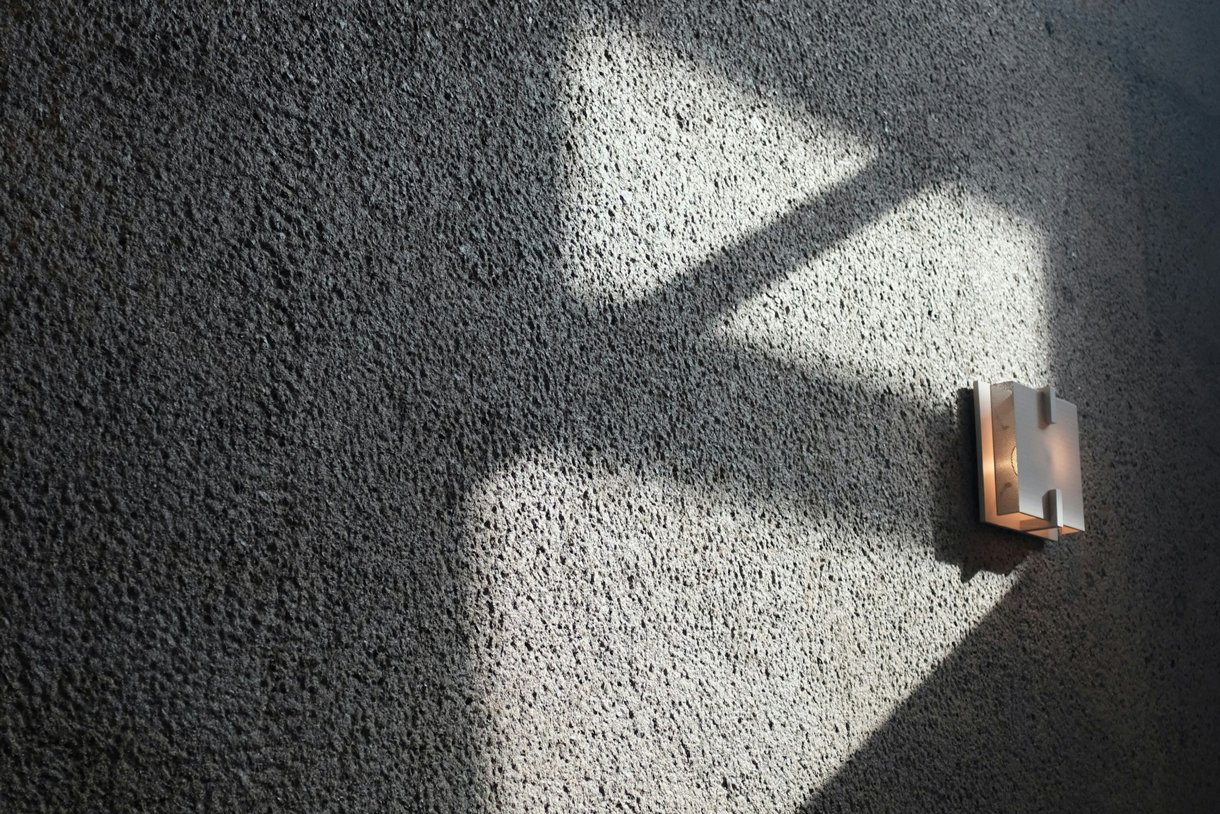
Light is not something added at the end of a project. It should shape the interior from the beginning. The way daylight enters a room affects the colours we choose, the materials we see, the shadows they create and ultimately the atmosphere of the entire space.
A beautifully furnished room can still feel wrong if the light has not been considered. Light changes throughout the day and throughout the year. Designing with it means allowing the interior to change with it.
Functionality
Every person has their own rituals. Where they sit in the morning. How they prepare coffee. Where they leave their keys. How they gather with friends. Where they read, work, rest or eat.
When a home responds to these rituals, it becomes personal rather than generic. Our habits may evolve, but the need for a space to support the way we live will never go out of style. A beautiful interior that doesn't work for the person living in it will never become timeless simply because its materials are beautiful.
Individuality
And finally, individuality.
You can copy someone's furniture, colour palette or materials. But you cannot truly copy what makes their space theirs. Individuality has to come from the person who inhabits the space.
This is why we believe that working in a close relationship with the client is such an important part of the design process. Their personality, rituals, memories and way of living become part of the architecture. That is what allows an interior to move away from a pattern and become something genuinely unique.

Design for years, not the moment
We don't believe that timeless design means ignoring the present. Trends can inspire us. They can introduce new ideas, materials, colours and ways of thinking. The question is not whether we should follow them, but how much of them should remain once the trend has passed. A trend can be an accent. It can be a detail. It can even influence an entire project when there is a deeper reason behind it. But when the trend becomes the reason for the design, the interior begins to depend on the lifespan of the trend itself. Not following trends blindly, but following what is already inside each of us, our individuality, our rituals, our preferences and our way of experiencing space, may be one of the simplest ways to create interiors that last.
Because the goal is not to design for what is relevant today. It is to create something that remains relevant long after today's trends have disappeared.