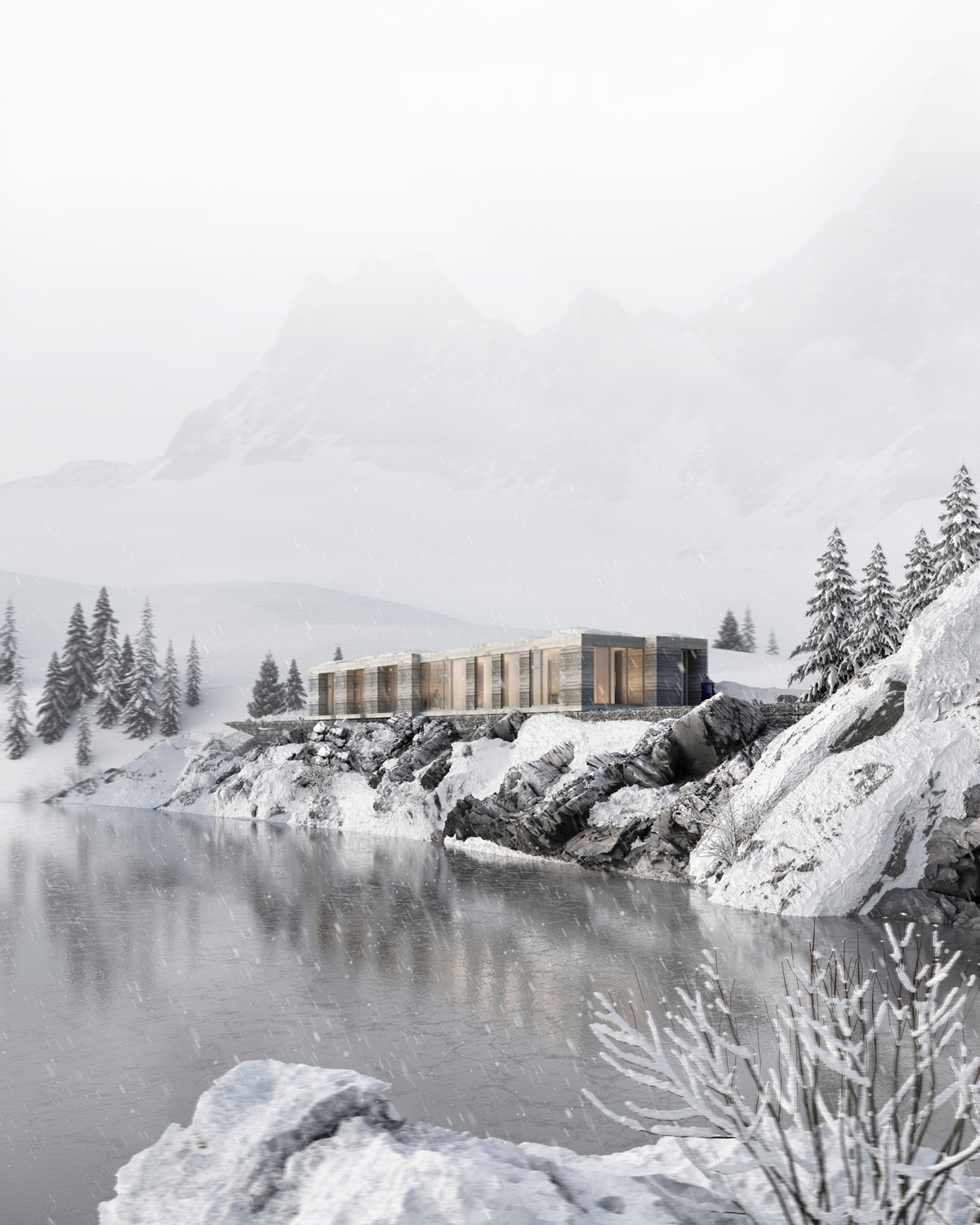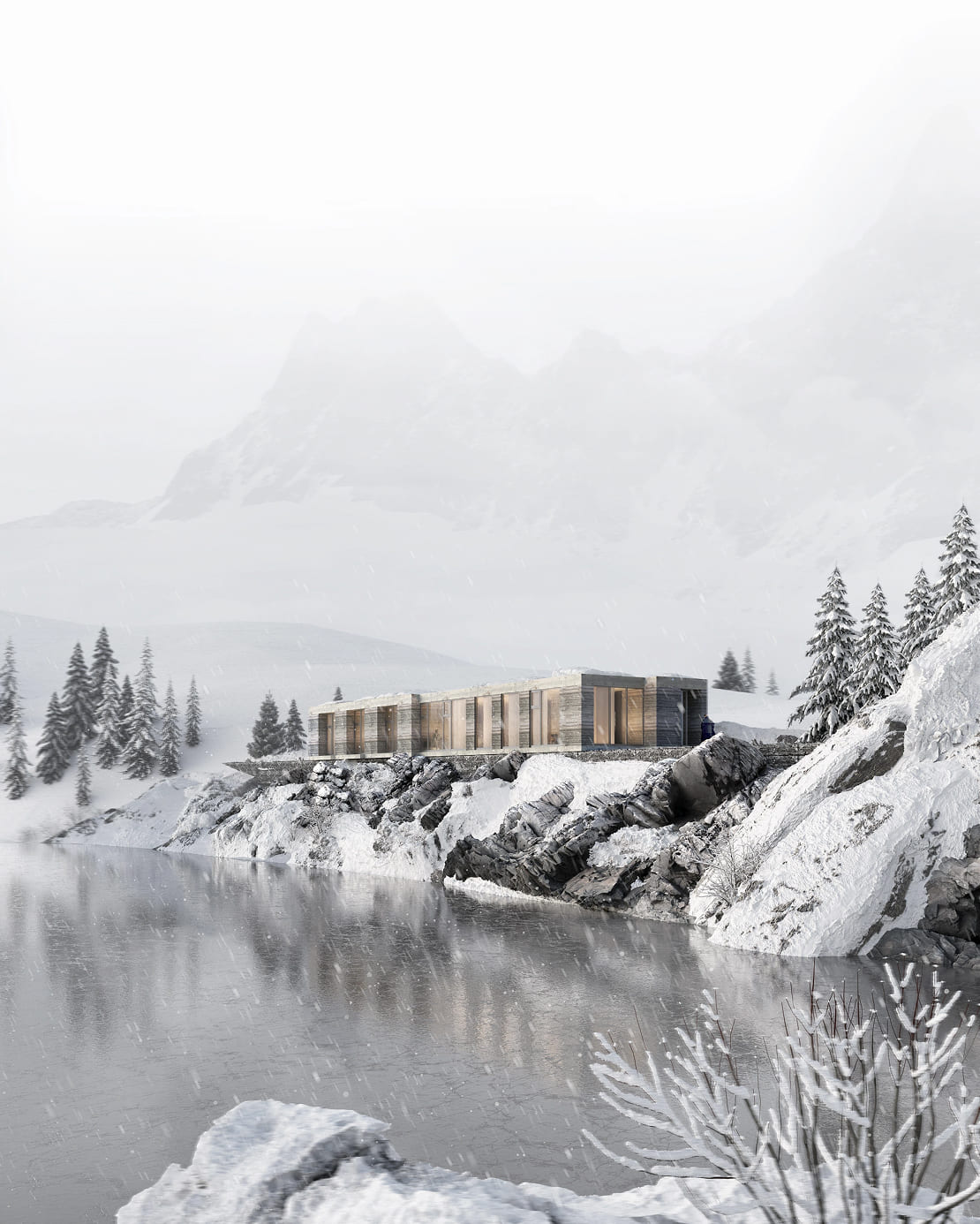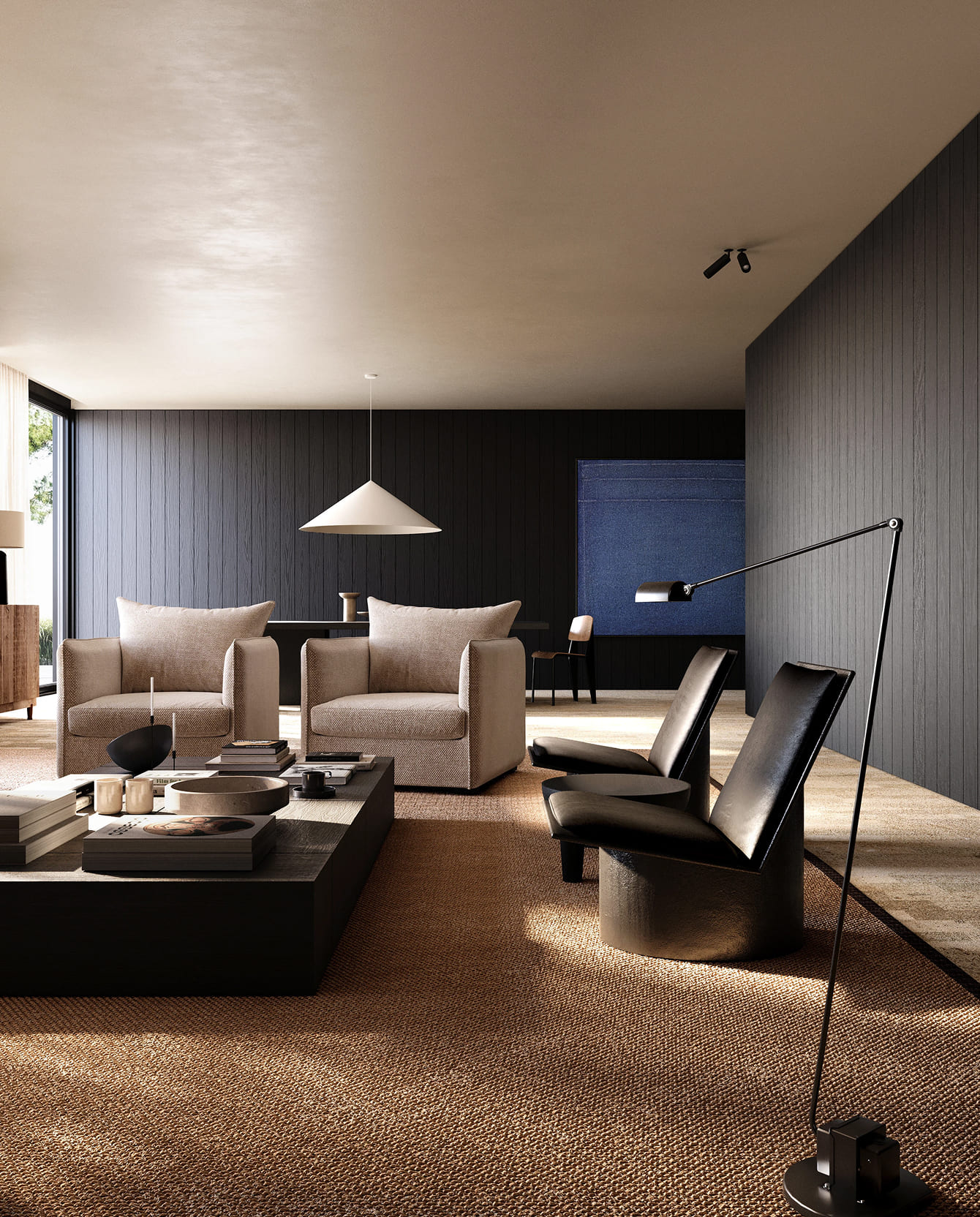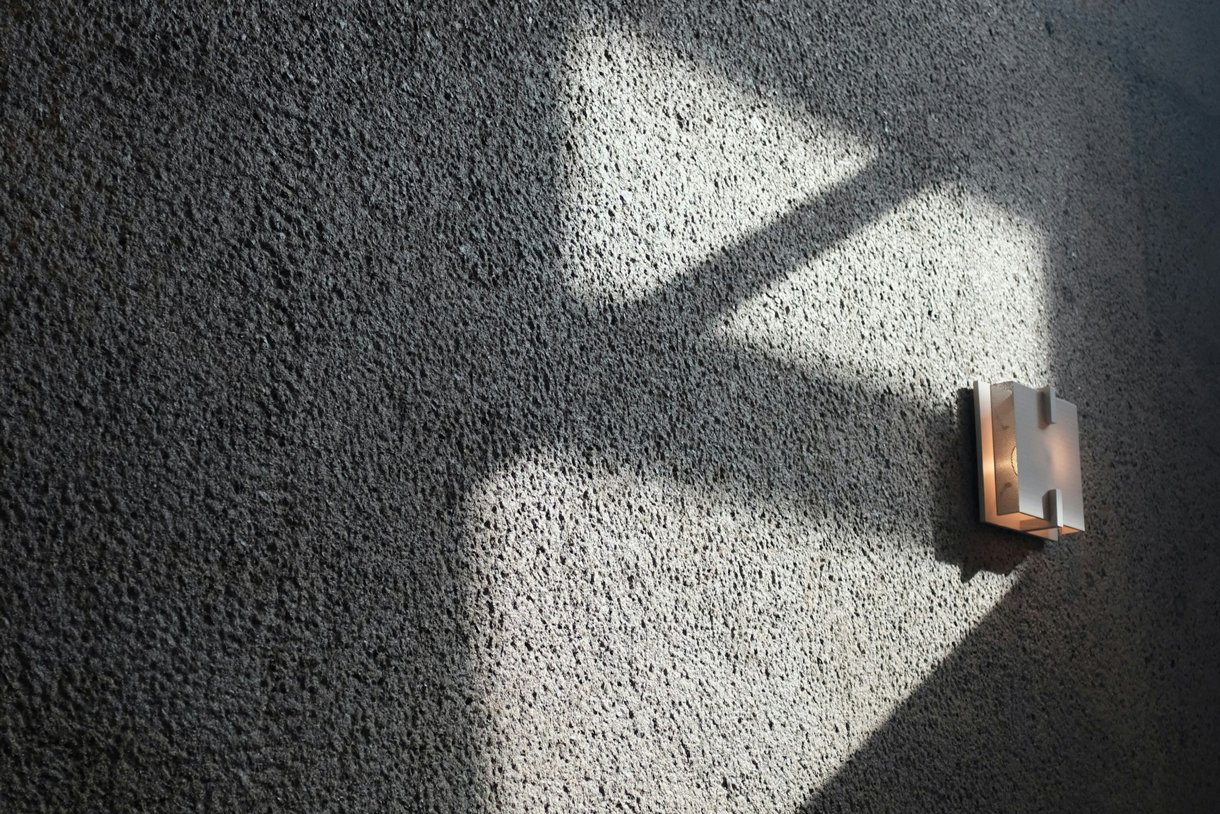

Contemporary interiors are often defined by what they leave out: fewer colours, fewer objects and less visual noise. But creating a successful minimal space is not simply about using less. It is about making every element matter more. At Studio Plato, we see materiality and texture as fundamental to the character of an interior. When a space is visually restrained, materials become one of the primary ways to introduce warmth, depth, contrast and identity.
Material Is More Than a Finish
Materials are often treated as the final layer of an interior, something selected after the layout, architecture and furniture have already been decided. We see them differently. Stone, timber, plaster, metal, glass and textiles all influence how a space is perceived. They affect the way light moves across a surface, how a room feels under different conditions and how individual elements relate to one another. A material is therefore not simply something applied to a surface; it becomes part of the architecture and atmosphere of the space.
Texture Creates Depth
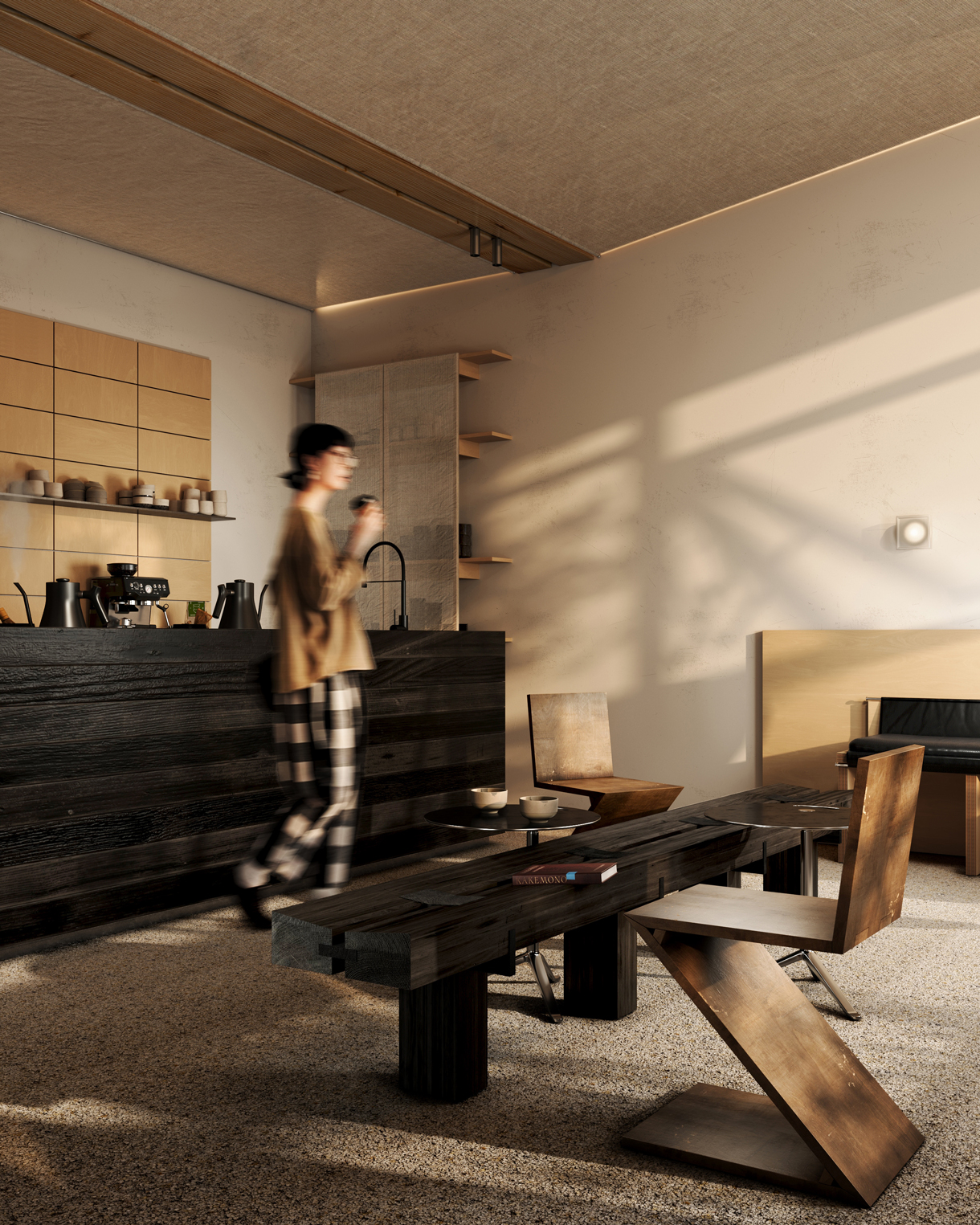
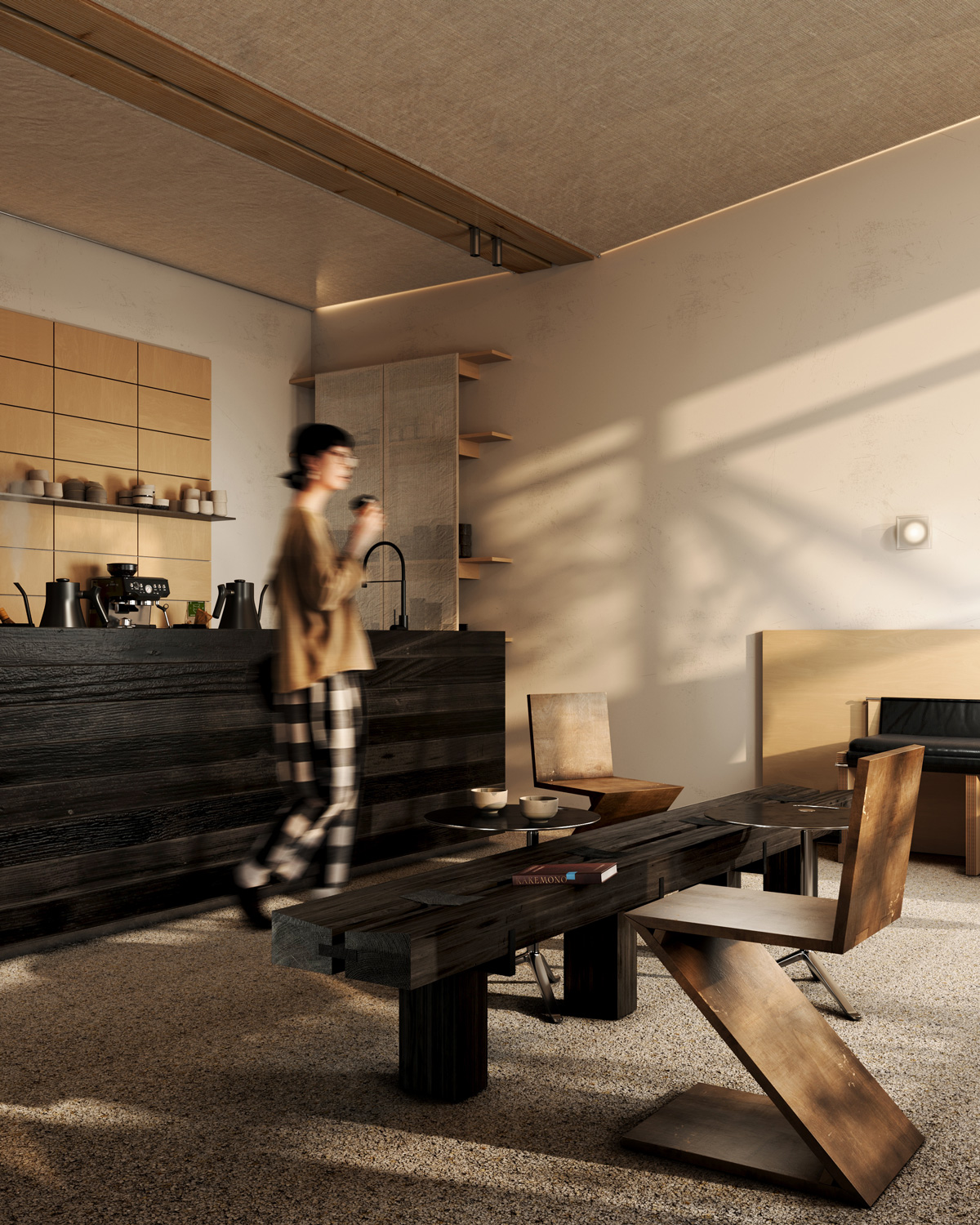
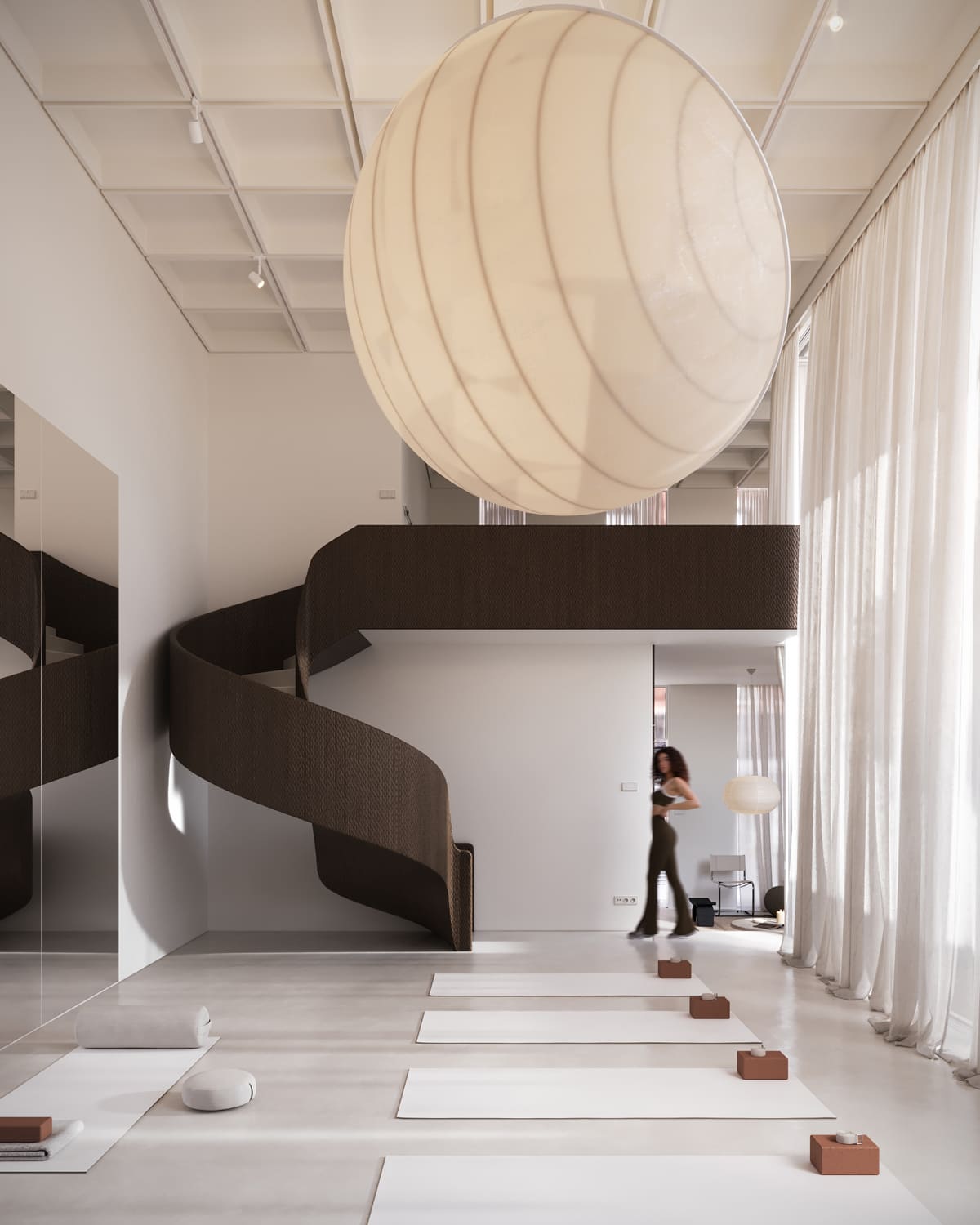
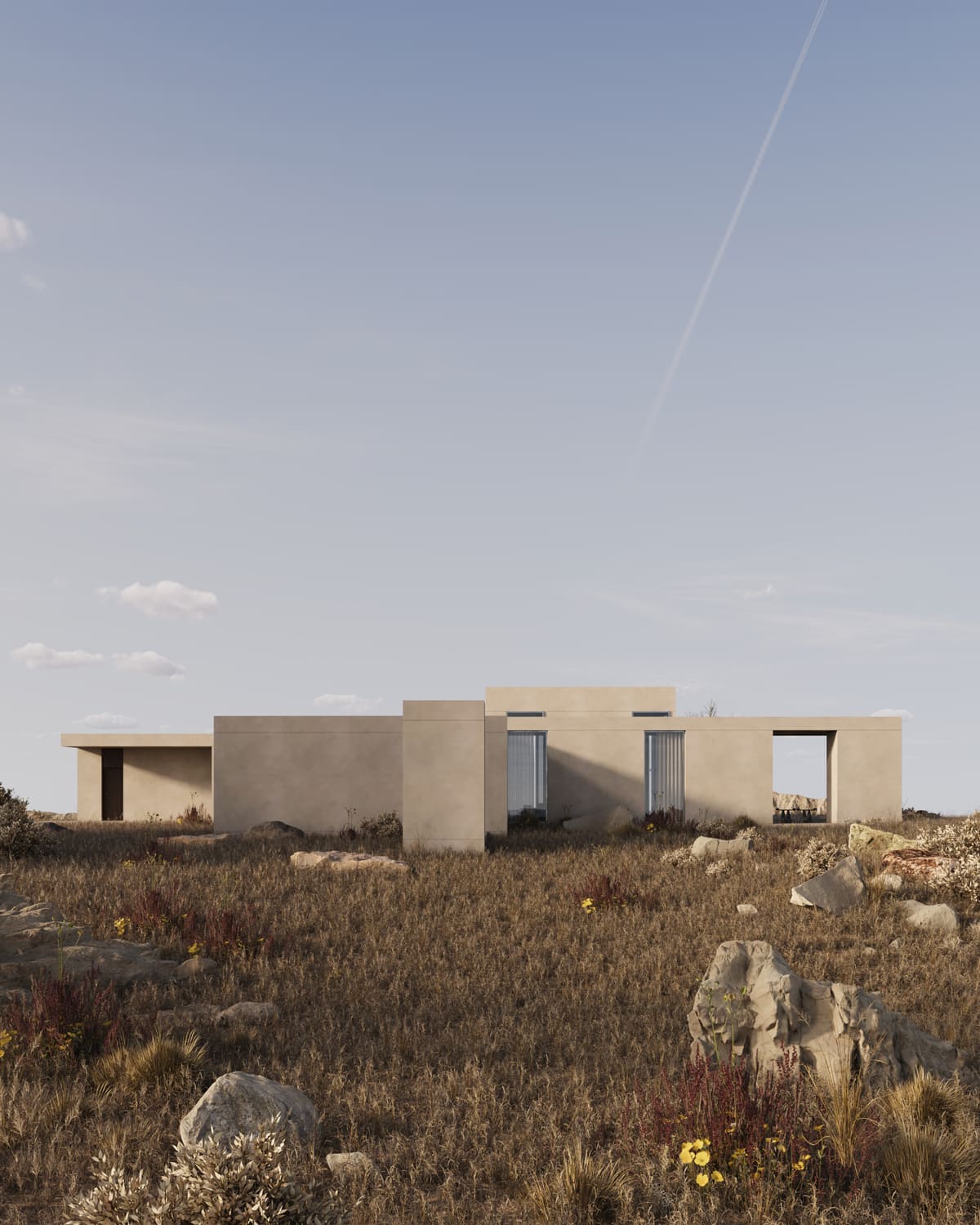
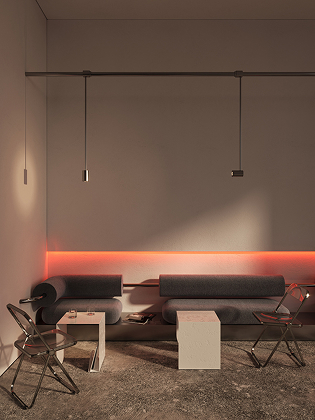
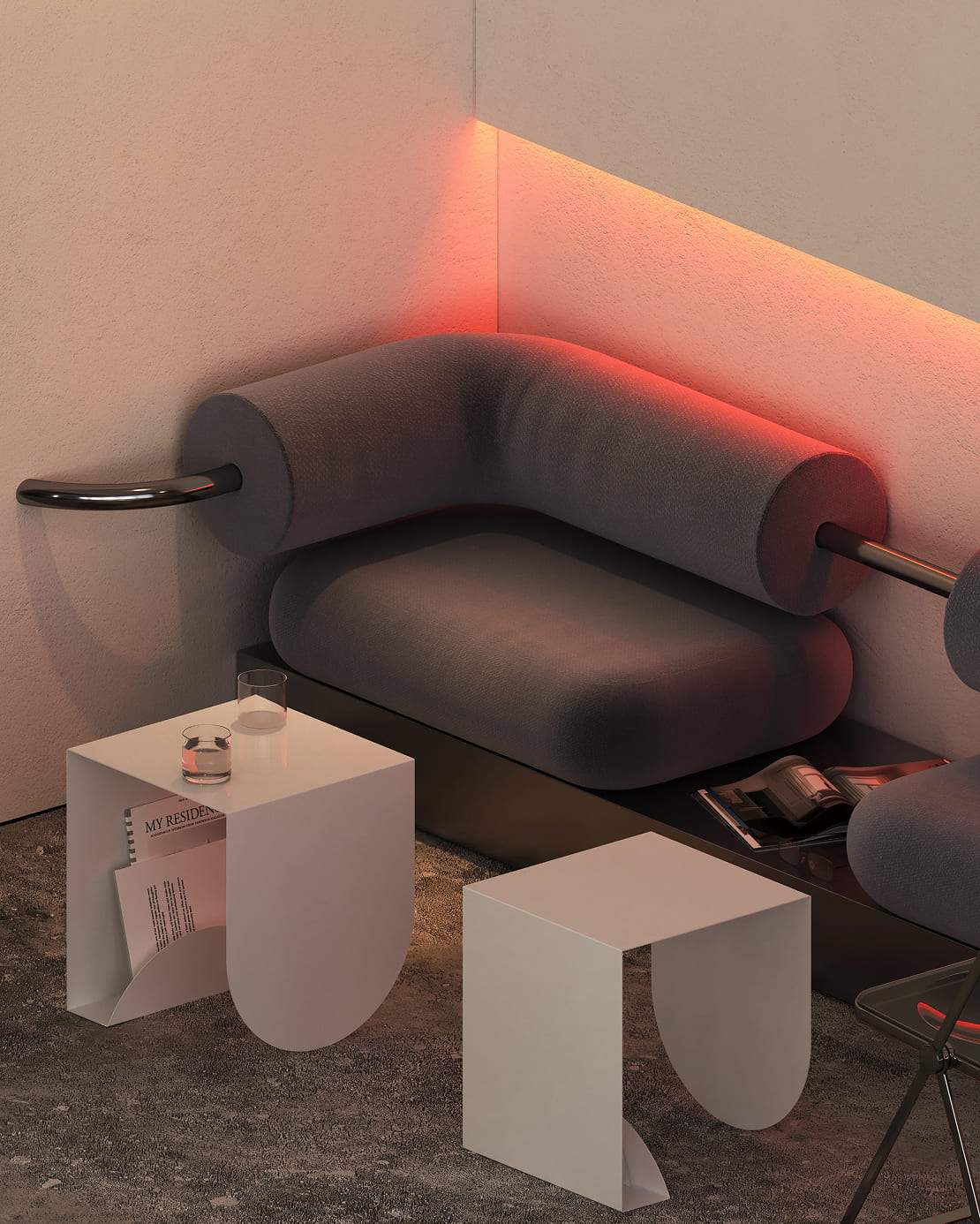
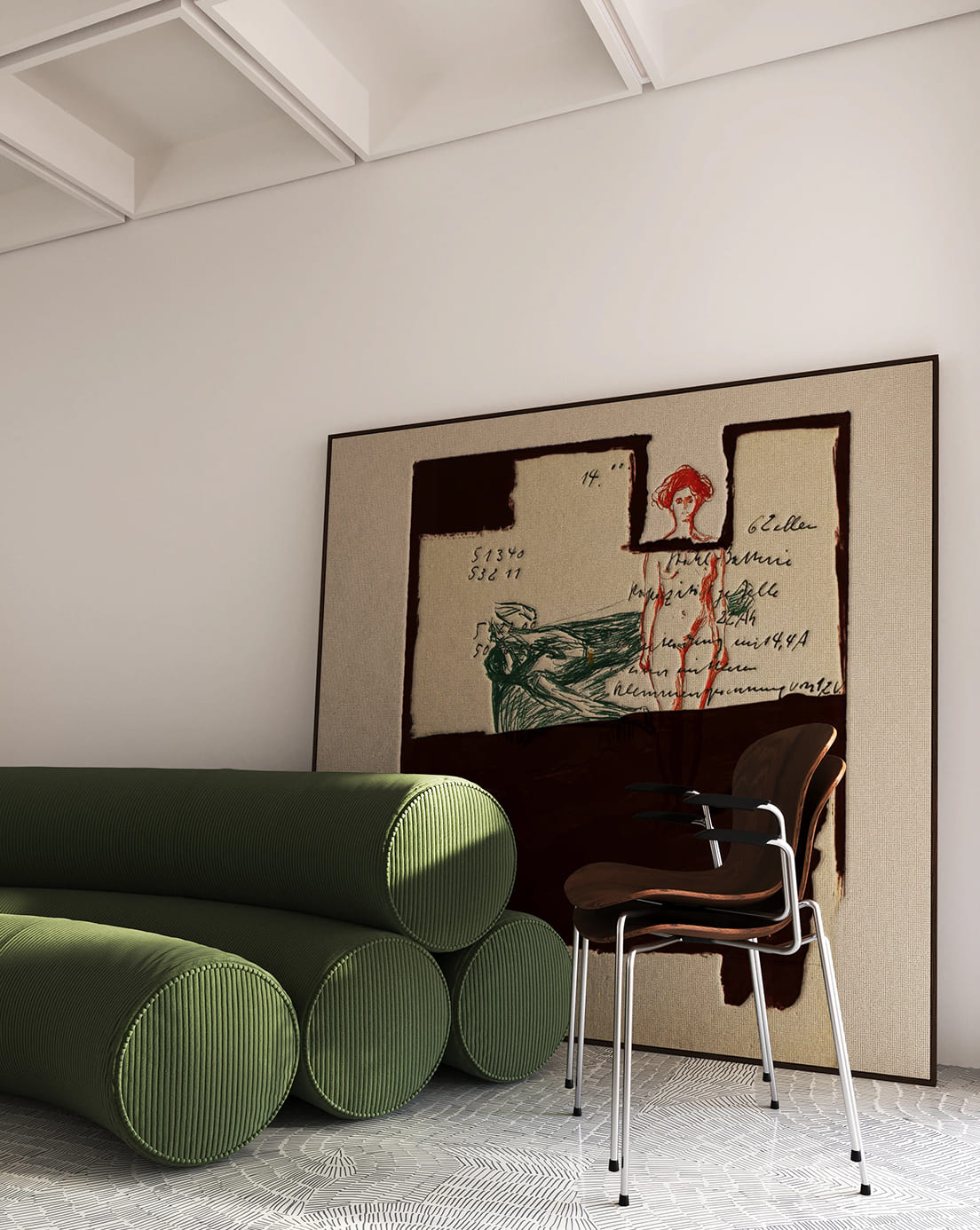
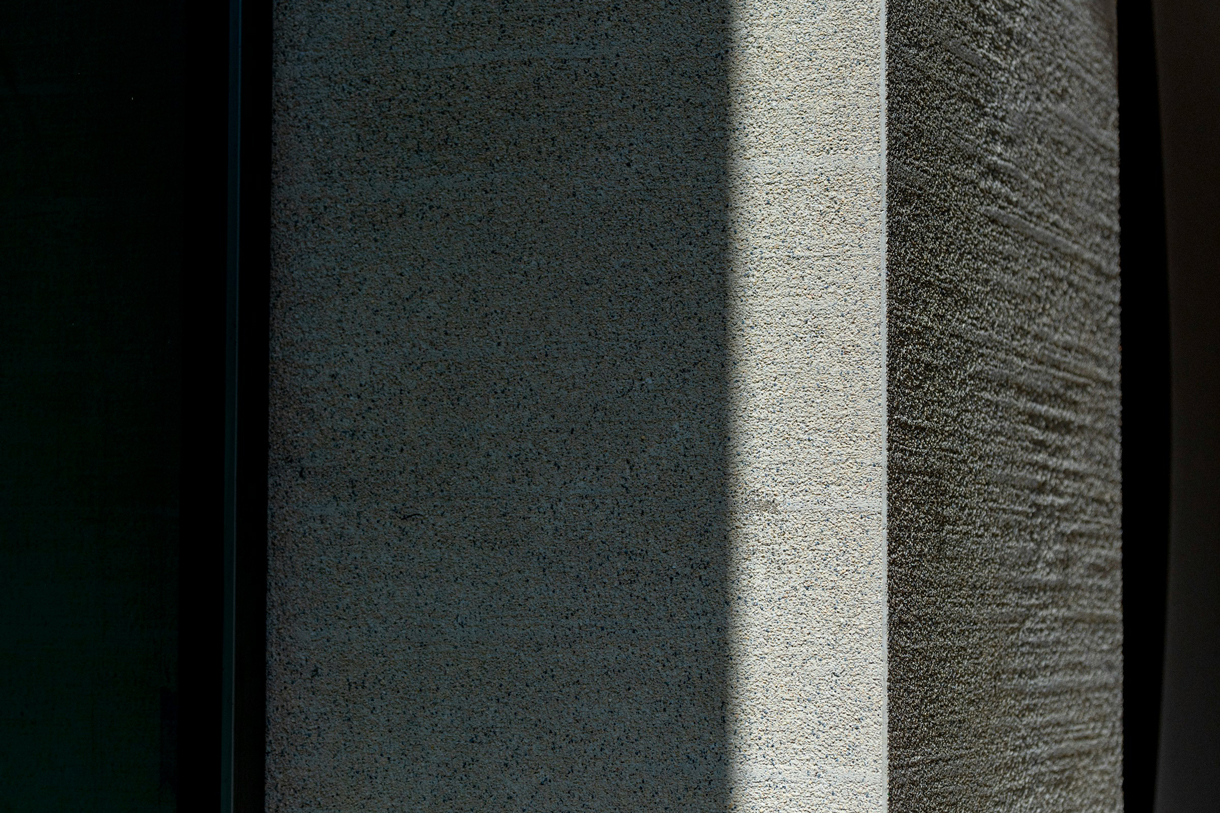
A restrained colour palette does not have to result in a flat interior. Texture can create variation without introducing visual clutter. A rough plaster wall beside smooth stone, natural timber against a matte surface, or a soft textile placed within a harder architectural composition can create subtle layers that reveal themselves gradually. This becomes particularly important in neutral interiors, where colour is intentionally restrained and texture takes on a greater role in creating visual interest. The difference between a smooth and textured surface may be subtle, but that subtlety is often what gives a space its richness.
Contrast Without Colour
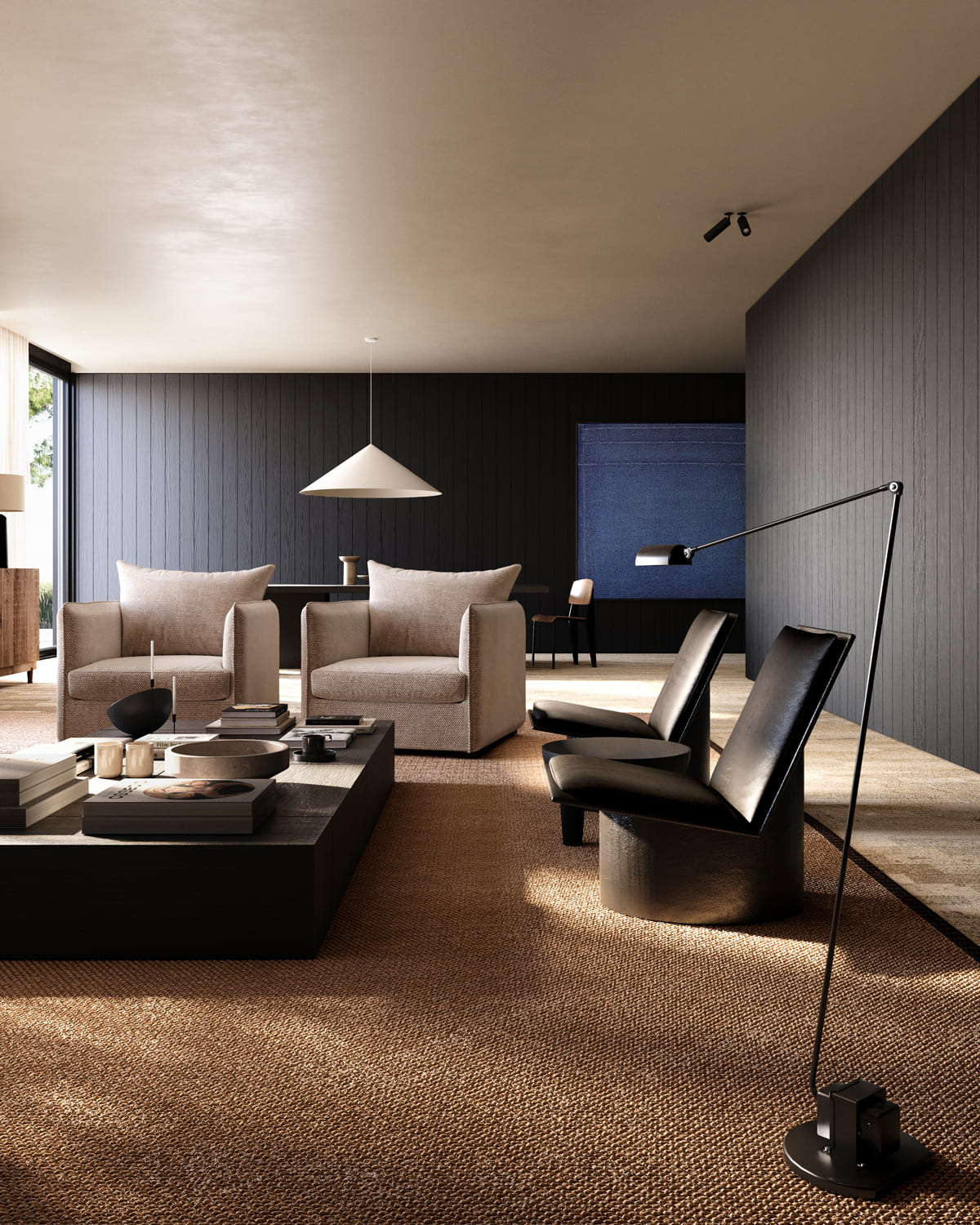
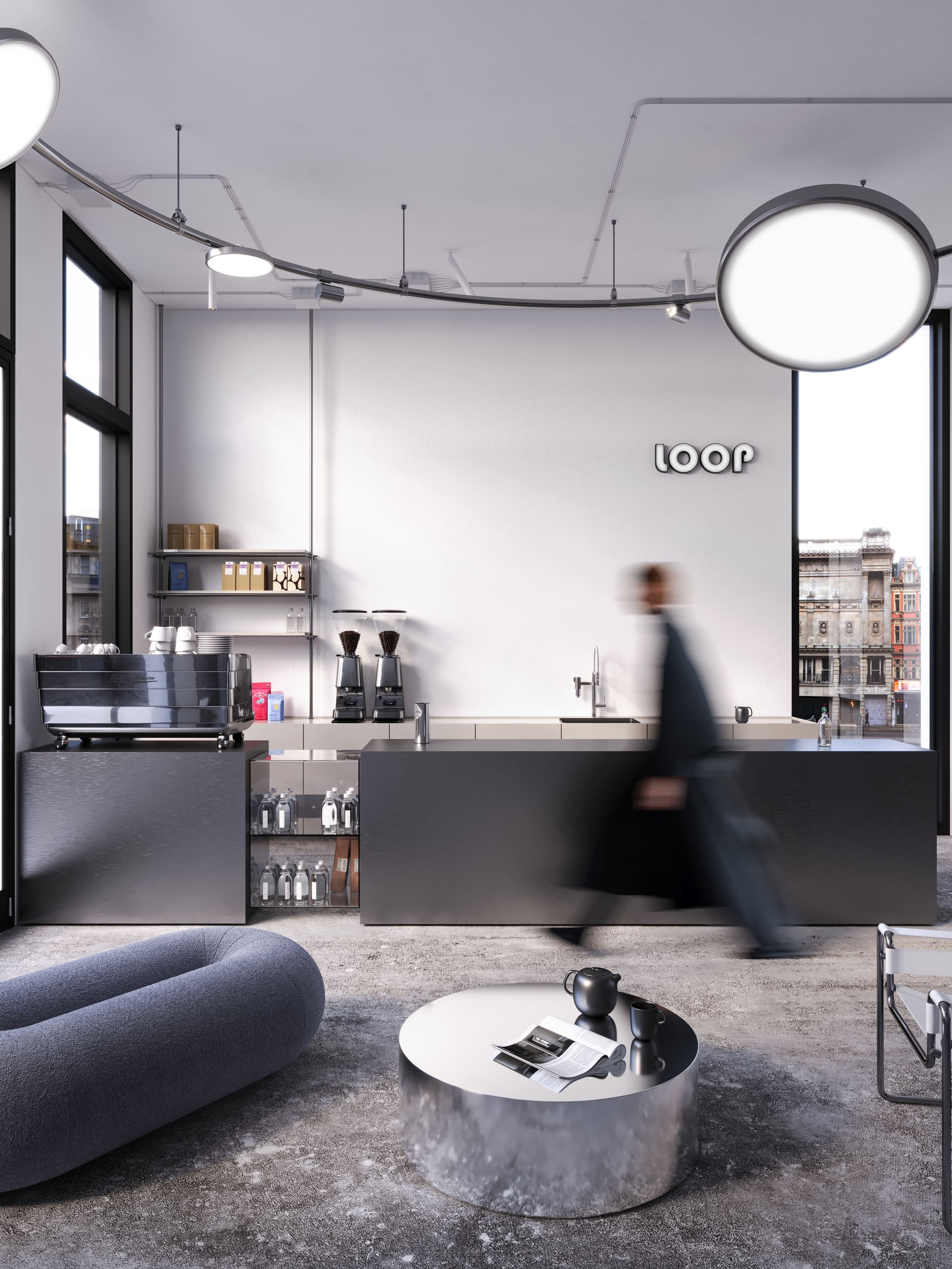
Contrast does not always require strong colours. Some of the most effective interiors are built almost entirely from neutral tones, yet still feel dynamic because of the relationship between their materials. Warm timber can soften cool stone, brushed metal can introduce precision against a textured wall, while a reflective surface can interrupt a predominantly matte composition. These relationships create hierarchy and rhythm while allowing the overall palette to remain calm. For us, this is one of the foundations of contemporary minimalism: creating complexity through relationships rather than excess.
Light Reveals Material
Materiality cannot be separated from light. A surface can appear completely different depending on the direction, intensity and colour of the light that reaches it. Natural daylight can reveal the irregularities of plaster or the grain of timber, while carefully positioned artificial lighting can emphasise texture and create depth after dark. This is why material selection and lighting should not be considered as separate decisions. A material should be understood not only by looking at a sample in isolation, but by imagining how it will behave within the space. Light does not simply illuminate material; it reveals its character.
Fewer Materials, Stronger Identity
Using more materials does not necessarily create a richer interior. In many cases, the opposite is true. A carefully selected palette of a few materials can create a much stronger sense of identity when those materials are repeated throughout the space. The same timber might appear across cabinetry, furniture and architectural details, while a particular stone may continue from one space into another. A wall finish may extend across several surfaces, creating continuity throughout the interior. Through repetition, individual materials become part of a larger visual language, allowing the entire space to feel connected rather than fragmented.
The Details Between Materials
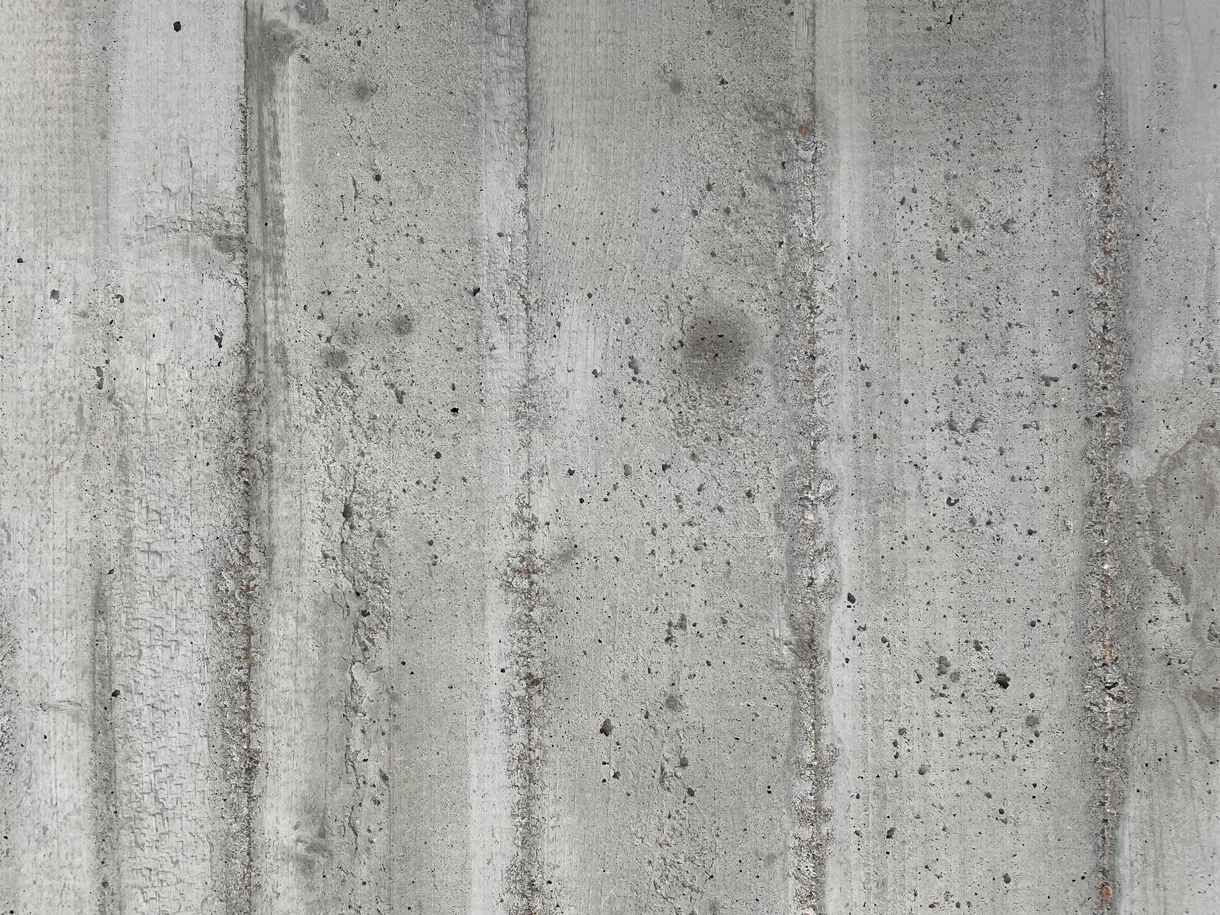
Materiality is also about how materials meet. The transition between timber and stone, the junction between a wall and ceiling, the edge of a countertop or the way cabinetry meets architecture can have a significant influence on how an interior is perceived. These moments may seem small, but they often determine whether a space feels considered or unfinished. Good material design is therefore not only about selecting the right materials. It is about understanding their proportions, edges, transitions and relationships, and ensuring that these details contribute to the overall architectural language of the space.
Designing Through Restraint
For us, materiality is ultimately about creating more with less. A restrained interior does not need to be empty, nor does minimalism mean removing every trace of character. Instead, it allows the qualities of architecture, material, light and proportion to become more visible. The goal is not to make a space feel luxurious by continuously adding elements, but to create an environment where every material, surface and detail has a reason to be there. At Studio Plato, we approach materiality as an integral part of the architectural language of a space, using carefully considered materials, textures, light and transitions to create interiors that feel calm, tactile and lasting. When there is less to look at, what remains has to matter.